
The United States has begun initial steps toward possibly reopening its embassy in Caracas, Venezuela, marking a significant move to restore diplomatic relations with the country after a U.S. military operation removed former President Nicolás Maduro from power earlier this month.
On January 27, 2026, the Associated Press reported that the Trump administration notified Congress of its plans. In letters sent to 10 House and Senate committees, the State Department outlined a phased approach to potentially resume operations at Embassy Caracas. The embassy has been closed since March 2019, when diplomatic ties between the U.S. and Venezuela were severed during Donald Trump’s first term as president.
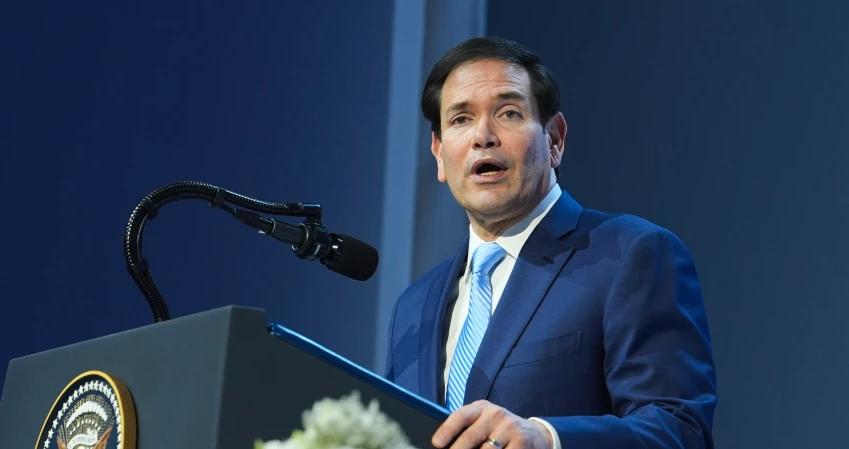
The notification came just two days before Secretary of State Marco Rubio was scheduled to testify before the Senate Foreign Relations Committee on U.S. policy toward Venezuela. The State Department explained that it is sending a growing number of temporary staff to Caracas to handle selected diplomatic tasks. These personnel would initially focus on limited duties, such as security and management, while working and living in a temporary facility. The existing embassy compound would be renovated and brought back to full working condition over time.
The diplomats’ responsibilities are expected to expand gradually to include consular services, political reporting, economic affairs, public diplomacy, and other functions. Additionally, the Venezuela Affairs Unit—currently based at the U.S. Embassy in Bogotá, Colombia—would relocate to Caracas.
This marks the first formal step by the administration to reopen the embassy since Maduro’s ouster. Restoring full diplomatic relations would require the U.S. to reverse its long-standing recognition of Venezuela’s 2015-elected parliament as the legitimate government, a policy adopted during the height of tensions with Maduro’s regime.
The developments follow a dramatic U.S. military raid on January 3, 2026, known as Operation Absolute Resolve, which captured Maduro and his wife, Cilia Flores. Maduro now faces charges in the U.S. related to narcoterrorism. Following his removal, Venezuela’s Supreme Tribunal of Justice swore in Vice President Delcy Rodríguez as acting president to ensure government continuity.
Rodríguez has described communication with the Trump administration as “respectful and courteous” since January 3. In public remarks, she noted ongoing discussions with President Trump and Secretary Rubio to establish a “working agenda” for the future. She did not directly comment on the embassy plans in those statements.
Shortly after the raid, a small team from the Bogotá-based Venezuela Affairs Unit visited Caracas to assess the situation and evaluate the feasibility of reopening the embassy. Last week, the State Department appointed a career diplomat from Bogotá as chargé d’affaires for Venezuela to oversee these efforts.
A State Department spokesperson emphasized that these actions are preparatory: the U.S. is preparing for the potential reopening of the embassy if a final decision is made, and notifying Congress is a required part of that process.
The moves signal a cautious but deliberate effort by the Trump administration to normalize relations with Venezuela’s new leadership under Rodríguez, while prioritizing stability in the region following the military intervention. Full embassy operations would represent a major step toward mending ties broken for nearly seven years.