
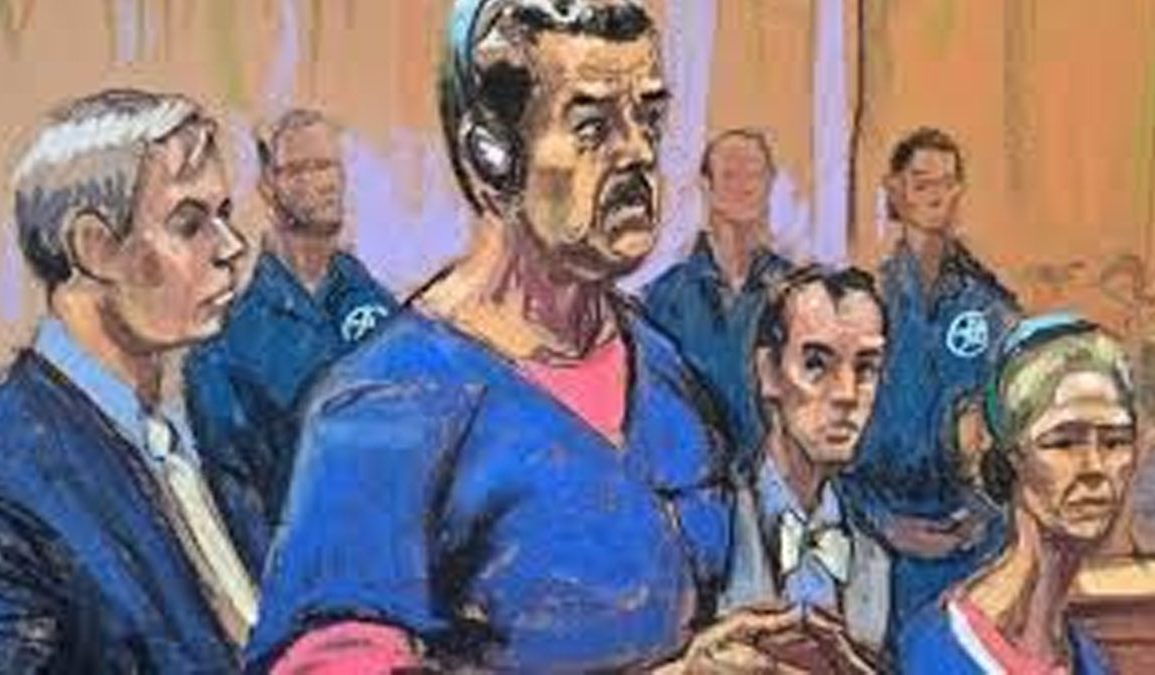
On January 5, 2026, former Venezuelan leader Nicolás Maduro and his wife, Cilia Flores, appeared in a Manhattan federal courtroom, pleading not guilty to serious charges including narco-terrorism conspiracy, cocaine importation, and weapons offenses. Maduro called his capture a “kidnapping” by U.S. forces and insisted he remains Venezuela’s president. This dramatic arraignment marks the start of a highly complex case that has been stalled for six years. Now, with Maduro in U.S. custody, experts predict his legal team will use multiple strategies to challenge the prosecution, potentially delaying a trial for years or even forcing the government to back down.
The case draws strong parallels to the 1989 U.S. invasion of Panama and the subsequent trial of dictator Manuel Noriega, one of the few times America has forcibly removed and prosecuted a foreign leader. Noriega was convicted on drug trafficking charges in 1992 after losing battles over immunity and other issues. Veteran prosecutor Dick Gregorie, who worked on Noriega’s case, notes that Maduro’s team will likely “push some buttons” before considering any plea deal.
Claiming Unlawful Capture and Head-of-State Immunity
One of the first defenses will probably focus on how Maduro was brought to the U.S. He described the operation as a kidnapping, and his lawyers are expected to argue that the forceful abduction violated international law. Critics, including Northwestern University professor Karen Alter, have called it “gunboat diplomacy”—a throwback to 19th-century tactics where powerful nations used military force to impose their will. Alter warns that such actions could damage America’s global image and set dangerous precedents for other countries.
Maduro is also likely to claim head-of-state immunity, insisting he is still Venezuela’s legitimate president and that his wife is the First Lady. However, legal experts say this argument faces steep odds. The U.S. has not recognized Maduro as Venezuela’s leader since 2024, instead supporting his opposition. Courts typically defer to the State Department’s diplomatic recognitions on such matters. In Noriega’s case, similar immunity claims failed because he was no longer seen as Panama’s recognized head of state.
Battles Over Evidence and Classified Information
Another major hurdle involves evidence. The charges allege Maduro conspired with groups like Colombia’s FARC rebels and Mexican cartels to flood the U.S. with cocaine. Prosecutors have detailed specific incidents, such as a 2013 flight seizure in Paris, suggesting they have insider information, possibly from cooperating witnesses.
Defense lawyers will fight for access to all evidence, including sensitive national security details. Handling classified information under the Classified Information Procedures Act can add months—or years—to a case. Defendants sometimes use “graymail,” threatening to reveal secrets in open court to pressure the government into dropping charges rather than risk exposure.
Challenges with Witnesses and Proving the Case
Proving a narco-terrorism conspiracy requires strong testimony, often from former insiders who “cooperate” with prosecutors in exchange for leniency. Cases linked to Maduro have already produced cooperators, including a Venezuelan general who pleaded guilty last year and may testify. His capture could encourage more witnesses to come forward now that he’s no longer in power.
But these witnesses can be risky. In drug cartel cases, intimidation and violence are common—Gregorie recalled suspicious deaths and disappearances during the Noriega trial. Former prosecutors note that without direct evidence tying Maduro to specific deals, the case relies heavily on credible testimony from people in the drug trade.
Broader Implications and Next Steps
The Justice Department’s determination to go to trial remains a key question. Some supporters, like Senator Tom Cotton, praise the operation as necessary to bring indicted traffickers to justice. Others worry it could escalate international tensions.
Maduro’s next court date is in March 2026, when more details on evidence and trial plans may emerge. Given the political stakes, national security issues, and historical rarity of such prosecutions, the road to trial—if it happens—will be long and unpredictable. As in the Noriega case decades ago, Maduro’s lawyers have plenty of tools to challenge the government’s every move.