
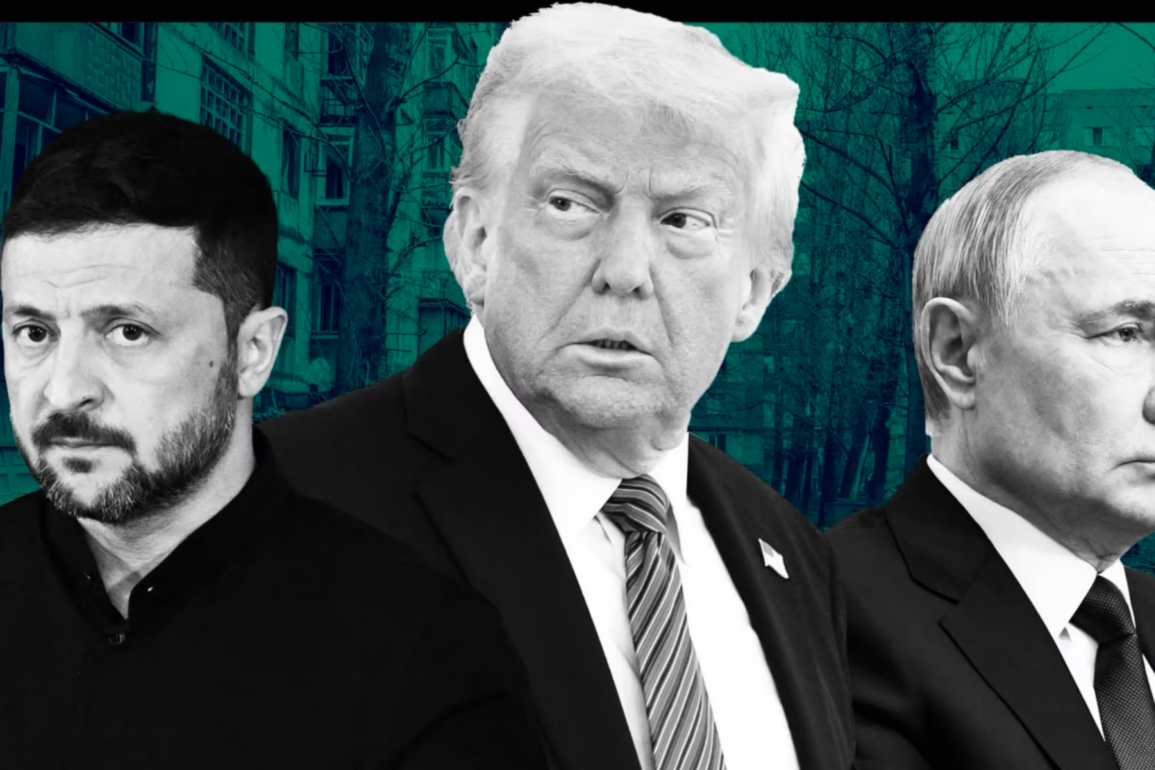
In mid-December 2025, negotiations to end Russia’s nearly four-year war in Ukraine remain stalled, with President Donald Trump expressing growing impatience. The U.S.-led effort, centered on a revised peace proposal, has sparked intense diplomacy but highlighted deep divisions over territory, security guarantees, and Ukraine’s future alliances.
White House Press Secretary Karoline Leavitt revealed on December 11 that Trump is “sick of meetings just for the sake of meetings” and “extremely frustrated with both sides.” She noted the administration had invested over 30 hours in recent talks with Russian, Ukrainian, and European officials. Trump is eager to end the conflict but has indicated the U.S. will only participate in further discussions if they seem productive.
A key point of contention is the Donbas region in eastern Ukraine. Ukrainian President Volodymyr Zelenskyy stated that the latest U.S. proposal calls for Ukrainian troops to withdraw from areas Kyiv still controls, creating a “free economic zone” as a buffer. Unlike earlier versions that suggested handing the territory directly to Russia, this compromise would prevent Russian forces from advancing into the vacated areas. However, Zelenskyy highlighted ongoing disputes over territorial control and the Zaporizhzhia nuclear power plant, Europe’s largest.
Ukraine submitted a revised counterproposal to Washington on December 10 or 11, refining the original U.S. plan. Reports suggest this updated framework includes accelerated EU membership for Ukraine as early as January 2027—a move that could bypass typical lengthy accession processes requiring unanimous approval from all 27 EU members, including skeptics like Hungary. Zelenskyy has suggested Trump could use U.S. influence to overcome such obstacles.
European leaders have rallied in support of Ukraine, insisting on strong, legally binding security guarantees before any territorial concessions. French officials emphasized these as a “prerequisite” for peace. The EU has shown broad backing for Kyiv, but the rapid 2027 timeline has drawn skepticism in Brussels due to Ukraine’s ongoing reforms against corruption.
Diplomatic activity intensified with U.S. special envoy Steve Witkoff and Trump’s son-in-law Jared Kushner meeting Zelenskyy in Berlin on December 14. The five-hour session reportedly made “a lot of progress” on the peace framework and economic issues, with talks set to continue. Zelenskyy also planned discussions with European heads of state, EU, and NATO leaders in Germany.
From Moscow’s perspective, Kremlin aides expressed suspicion about modifications to the U.S. plan, predicting it could be “worsened” from Russia’s viewpoint. Russia continues to advance on the battlefield, gaining ground amid heavy fighting.
As pressure mounts on Zelenskyy to accept terms that include concessions, the path to a deal remains uncertain. Trump has pushed for a swift resolution, but unresolved issues like territory and guarantees continue to prolong the nearly four-year war.