


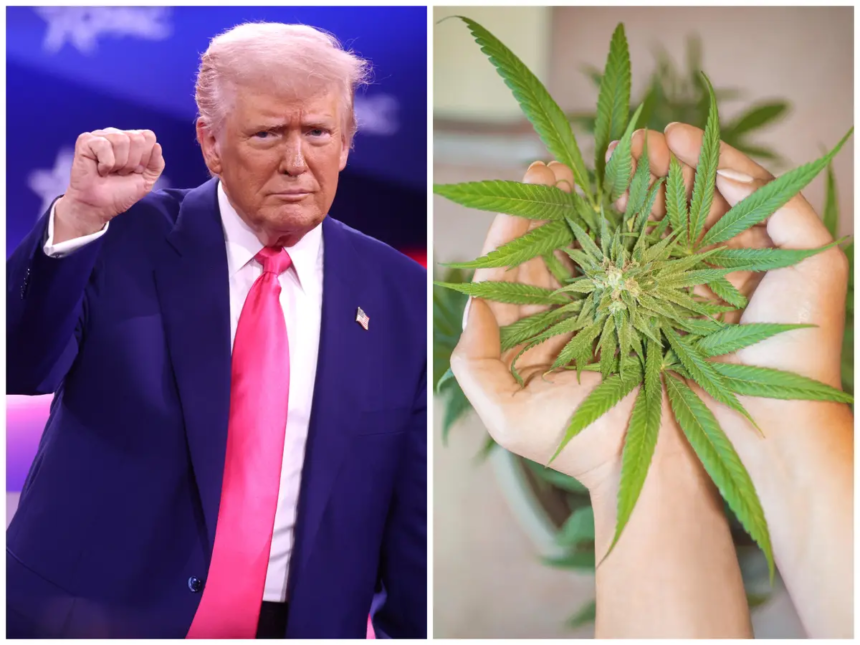
On December 14, 2025, reports emerged that President Donald Trump is preparing to direct federal agencies to reschedule marijuana from Schedule I to Schedule III under the Controlled Substances Act. This potential change would mark a major shift in U.S. drug policy, officially recognizing cannabis as having accepted medical uses for the first time at the federal level. While it promises significant benefits like tax relief for businesses and broader medical access, industry experts warn of new legal risks and regulatory challenges.
Understanding the Schedules
Currently, marijuana is classified as a Schedule I drug, alongside substances like heroin and LSD. Schedule I drugs are considered to have no accepted medical use and a high potential for abuse. Moving it to Schedule III would place it in the same category as drugs like ketamine, Tylenol with codeine, and anabolic steroids—substances viewed as having medical value but a moderate to low risk of abuse and dependence.
This rescheduling would not fully legalize marijuana federally or allow recreational sales nationwide. Instead, it would ease some restrictions while keeping cannabis under federal control.
Key Benefits: Tax Relief and Financial Stability
One of the biggest impacts would be on taxes. Under current law, cannabis businesses dealing with Schedule I or II drugs are hit by IRS Code Section 280E, which bars them from deducting normal business expenses like rent or payroll. This often leads to effective tax rates as high as 80%.
Rescheduling to Schedule III would lift this burden, allowing operators to claim standard deductions. Industry leaders, such as Ryan Hunter, Chief Revenue Officer at Spherex, say this could stabilize struggling companies and attract more investment. However, challenges like limited banking access would persist without further reforms.
Expanded Medical Access and Research
Supporters highlight how Schedule III status could integrate cannabis into mainstream medicine. Doctors might feel more comfortable prescribing it, especially in states without medical marijuana programs. Mark Lewis of Lüt Specialty Banking calls it “the single most important drug policy move in decades,” noting it could open doors for more research and help patients, including veterans.
Industry Warnings: New Risks and Pharmaceutical Standards
Not everyone is celebrating. Some experts fear rescheduling could create bigger problems for existing cannabis businesses. Josh Kesselman of High Times and RAW Rolling Papers worries it might let big pharmaceutical companies dominate with FDA-approved synthetic THC products, while leaving traditional dispensaries and growers vulnerable to new federal charges under drug and food laws—such as selling unapproved drugs or misbranding.
Chris Fontes, CEO of High Spirits, adds that many operators lack the licenses or FDA approvals needed to comply in a Schedule III world. Alex Gonzalez of Calyx Containers predicts a push toward “pharma-grade” standards, requiring huge investments in quality control. This could benefit large companies but squeeze out smaller ones.
Impacts on Equity, Small Businesses, and Hemp
Advocates like Sasha Nutgent of Housing Works Cannabis Co. argue rescheduling could encourage more legal operations, helping communities hit hardest by past prohibition. Yet others, including Harrison Bard of Custom Cones USA, say it might disadvantage small businesses.
There’s also confusion with hemp-derived THC products. Joe Gerrity of Crescent Canna points out the irony of easing marijuana rules while potentially tightening hemp restrictions, calling for a clearer national framework.
A Historic Step, But Not the End
For many in the industry, like Sierra Elaina of Lehua Brands, rescheduling ends decades of unfair stigma that has blocked banking and hurt profits. Still, leaders agree it’s not full legalization. Issues like banking reform, insurance, FDA approvals, and enforcement remain unresolved.
If Trump moves forward—possibly through an executive order directing agencies like the DEA—this could be one of the most significant drug policy changes in years. It builds on a process started under previous administrations but reflects evolving views on cannabis. As the details unfold, the cannabis world watches closely, balancing hope for relief with caution about new hurdles.