

In a dramatic move that’s shaking up global oil markets and international relations, the United States has seized a massive oil tanker off the coast of Venezuela. This isn’t just a one-off event—it’s the start of something bigger. Sources say the U.S. is gearing up to grab more ships like this one, all part of a plan to crack down on Venezuela’s “shadow fleet” of tankers that smuggle oil to countries like China. Let’s break it down: what happened, why it matters, and what’s next.
The Seizure: What Went Down
On Wednesday, U.S. forces—led by the Coast Guard with help from the Navy, FBI, and Homeland Security—boarded and took control of a supertanker called the Skipper. The ship was loaded with about 1.8 million barrels of heavy Venezuelan crude oil, worth over $95 million at current prices (around $61 per barrel). Video footage released by Attorney General Pam Bondi shows armed U.S. personnel rappelling from helicopters onto the deck. No shots were fired, and the crew didn’t resist.
President Donald Trump announced the seizure during a White House meeting, calling it the “largest one ever seized.” He even joked about what happens to the oil: “We keep it, I guess.” White House Press Secretary Karoline Leavitt later confirmed the tanker is heading to a U.S. port for a full legal review. Investigators are already on board, interviewing the crew and seizing evidence.
Why this ship? The U.S. says it’s been sanctioned for years because it hauls illegal oil from Venezuela and Iran, helping fund groups like Hezbollah. Before the seizure, the Skipper offloaded about 200,000 barrels to another vessel bound for Cuba. The rest? It was probably headed to Asia, where most Venezuelan oil ends up.
Why Now? Trump’s Big Push Against Maduro
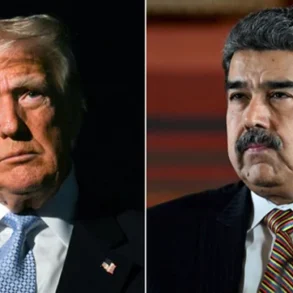
This seizure is the latest chapter in President Trump’s campaign to oust Venezuelan leader Nicolás Maduro. Trump has called Maduro a “dictator” who’s flooding the U.S. with drugs and criminals. Since September, the U.S. has:
- Launched over 20 airstrikes on suspected drug boats in the Caribbean, killing at least 80 people.
- Built up a huge military presence in the region, including an aircraft carrier group.
- Put a $50 million bounty on Maduro’s head.
The goal? Starve Maduro’s government of cash by hitting its oil sales. Venezuela sits on the world’s largest oil reserves, but U.S. sanctions since 2019 have made it hard to sell legally. Most oil goes to China through shady “shadow tankers” that hide their tracks. By seizing ships, the U.S. hopes to scare off shippers and cut off that revenue stream.
Just hours after the seizure, the U.S. Treasury Department piled on more pressure. They sanctioned six more ships carrying Venezuelan oil and three of Maduro’s nephews (Efrain Campo Flores, Francisco Flores de Freitas, and Carlos Malpica Flores). These guys are tied to drug trafficking, according to the U.S., and the sanctions freeze their assets and ban them from U.S. business.
Venezuela Fights Back: “This Is Piracy!”
Maduro’s government is furious. They called the seizure “blatant theft” and an “act of international piracy.” In a fiery statement, they said: “It has always been about our natural resources, our oil… the resources that belong exclusively to the Venezuelan people.” Maduro didn’t mention the tanker in a speech on Wednesday, but he urged Venezuelans to be “warriors” against the “North American empire.”
Venezuela’s Vice President Delcy Rodríguez said the move proves Trump’s real aim is to steal their oil. Allies like Russia and Iran backed them up. Russia’s Foreign Minister Sergey Lavrov demanded answers: “What illegal hydrocarbons were on board? Why can the U.S. do this while Chevron buys Venezuelan oil?” Iran’s embassy in Caracas called it a “grave violation” of sea laws.
Experts are split on whether it’s legal. The U.S. says it’s enforcing sanctions under U.S. law, and the tanker was in international waters. But under the UN Convention on the Law of the Sea, countries can’t just board foreign ships without good reason—like piracy or hot pursuit. Critics say this could spark bigger fights over who controls the seas.
What This Means for Oil Prices and the World
Oil prices jumped about 1% after the news—U.S. crude hit $59 a barrel, and global Brent reached $62.65. Why? Shippers might think twice before taking Venezuelan oil, making it harder for Maduro to sell. Venezuela exports about 900,000 barrels a day, mostly to China at big discounts. If more tankers get seized, supplies could tighten, pushing prices higher for everyone.
For Venezuela, it’s bad news. Their economy is already wrecked by sanctions, corruption, and crumbling oil fields. Millions have fled the country. For the U.S., it’s a win in the war on drugs—Trump blames Maduro for gangs like Tren de Aragua invading American cities.
What’s Next? More Seizures on the Way
Sources told Reuters the U.S. is preparing to hit more tankers. Over 30 sanctioned ships are currently in Venezuelan ports, and they might stay put to avoid capture. Trump hinted at this, saying “other things are happening.” Could this lead to war? Some Democrats, like Senator Chris Coons, worry we’re “sleepwalking into a war.” But military experts say a full invasion is unlikely—the U.S. doesn’t have enough troops nearby.
One thing’s clear: This is Trump’s boldest move yet against Maduro. Will it force him out? Or just make things messier? Stay tuned—the Caribbean is heating up, and oil prices might too.
Sources: Reuters, BBC, CNN, The Guardian, White House statements, U.S. Treasury Department. What do you think—smart strategy or risky overreach? Drop your thoughts below!