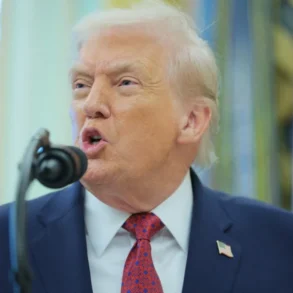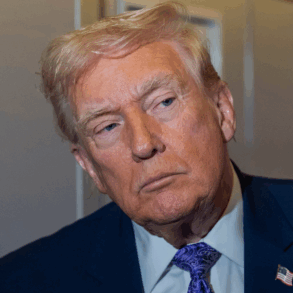


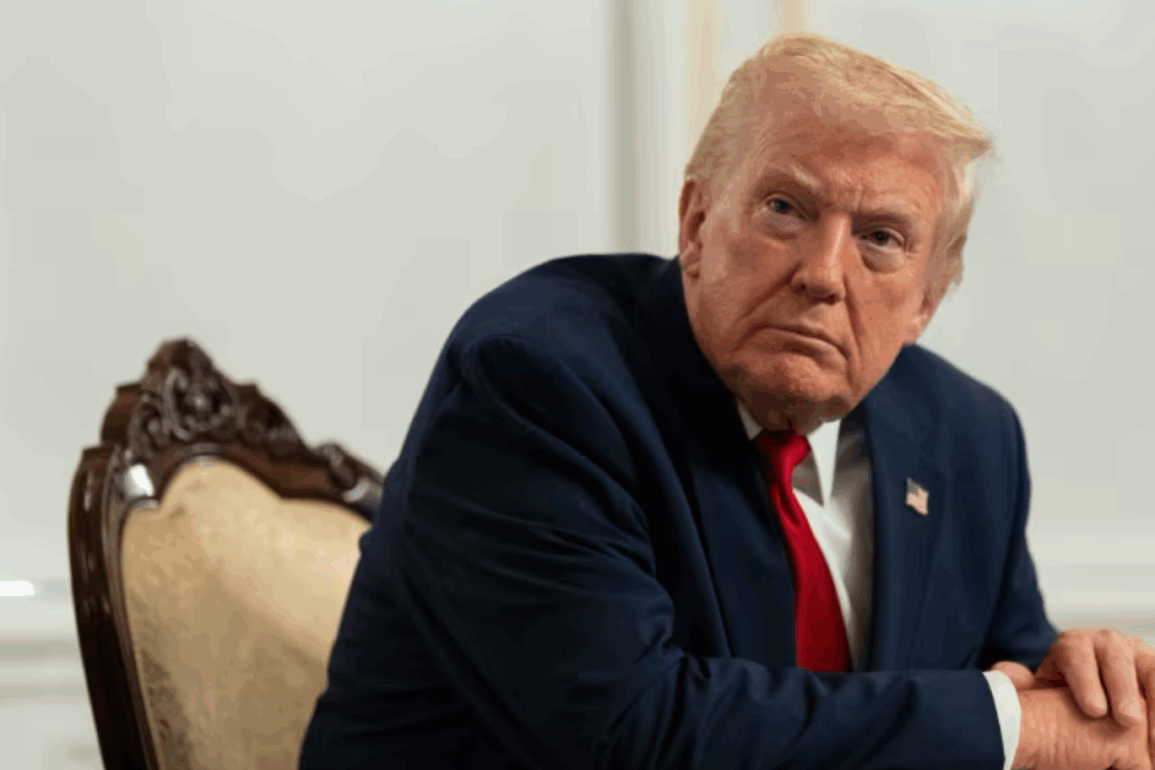
In the wake of a tragic shooting in Washington, D.C., that left two National Guard members dead, President Donald Trump has directed federal immigration officials to launch a sweeping review of green cards held by immigrants from 19 countries deemed “high-risk.” The suspect, 29-year-old Afghan national Rahmanullah Lakanwal, who entered the U.S. in 2021 under a special program for Afghan allies, has been named in the attack. Trump called the incident a “major national security threat,” blaming prior administration policies for allowing “20 million unknown and unvetted foreigners” into the country. This move escalates an already aggressive immigration crackdown, raising questions about due process, national security, and the future for thousands of legal residents.
The announcement, made on November 27 by United States Citizenship and Immigration Services (USCIS) Director Joseph Edlow, orders a “full-scale, rigorous reexamination” of green cards for individuals from these nations. Edlow emphasized on X (formerly Twitter) that protecting the American people is “paramount” and that the public “will not bear the cost of the prior administration’s reckless resettlement policies.” While specifics on the review process remain vague, the policy draws from a June 4 presidential proclamation that highlighted concerns like terrorist activities, visa overstay rates, and inadequate identity document security in these countries.
The Countries in the Crosshairs
The 19 nations targeted include:
- Afghanistan
- Burma (Myanmar)
- Chad
- Republic of the Congo
- Equatorial Guinea
- Eritrea
- Haiti
- Iran
- Libya
- Somalia
- Sudan
- Yemen
- Burundi
- Cuba
- Laos
- Sierra Leone
- Togo
- Turkmenistan
- Venezuela
These countries were previously flagged in Trump’s June proclamation for restricting entry. For instance, the order noted that the Taliban, a designated terrorist group, controls Afghanistan and that the country lacks reliable screening measures. Similar issues—such as high overstay rates for tourists and business visitors—were cited for nations like Haiti, Iran, and Somalia. The review focuses on those already in the U.S., including green card holders and refugees resettled under the Biden administration, rather than blocking new arrivals outright.
How the Review Works and Who’s Affected
The policy took effect immediately, according to a USCIS Policy Alert. It instructs officers to weigh “negative, country-specific factors” when evaluating applications for permanent residency, status extensions, or changes for nonimmigrants (temporary visa holders). This could include assessing a person’s home country’s instability or cooperation with U.S. vetting, even if the individual has no personal red flags.
Anyone from these countries is potentially impacted: current green card holders facing renewal or adjustment, refugees applying for permanent status, and those seeking to extend temporary stays. USCIS aims to identify “threats to public safety and national security,” but experts like Andrew Selee, president of the Migration Policy Institute, describe the guidance as ambiguous. It grants officers broad discretion without clear criteria, potentially leading to inconsistent decisions.
In a broader stroke, Trump announced on Truth Social plans to “permanently pause migration from all Third World countries”—a term typically referring to developing nations in the Global South—to let the U.S. immigration system “fully recover.” He vowed to end federal benefits for noncitizens, denaturalize those who “undermine domestic tranquility,” and deport individuals seen as a “public charge, security risk, or non-compatible with Western civilization.” USCIS has already suspended all Afghan immigration requests pending a security review and halted green card applications for about 200,000 refugees admitted under Biden. Last week, the agency began reviewing all such refugees, and in October, it set the 2026 refugee cap at a record-low 7,500—the fewest since 1980.
Potential Consequences: Deportation on the Horizon?
The stakes are high. Officers could deny status adjustments or initiate removal proceedings, effectively stripping legal residency. However, deporting green card holders isn’t straightforward. As Selee notes, the government must prove to an immigration judge that an individual poses a genuine national security threat—a high bar that courts have upheld strictly. Past attempts, like efforts to deport pro-Palestinian activists, have sparked lengthy legal battles. Courts often grant more flexibility for initial entry decisions but demand solid evidence to revoke existing status.
This suggests the policy might hit future applicants harder than those already settled. For example, Lakanwal’s case is under FBI scrutiny for vetting lapses, but experts doubt mass deportations will follow without ironclad proof. Still, the chilling effect is real: Families could face uncertainty, and communities might see increased fear and self-deportation.
Echoes of the ‘Muslim Ban’ and Inevitable Court Fights
Legal experts predict swift challenges. The policy relies on Section 212(f) of the Immigration and Nationality Act, which lets the president suspend entry if it’s “detrimental to U.S. interests.” Trump used this for his first-term “Muslim ban,” targeting several Muslim-majority nations. Initial versions were struck down by courts for religious discrimination, but a narrower third iteration survived Supreme Court review in 2018.
Groups like the American Immigration Council argue this new guidance overreaches, potentially violating due process by penalizing people based on nationality alone. Immigrant rights advocates are already mobilizing, drawing parallels to the ban’s chaos. “This isn’t about one shooting—it’s about fearmongering to justify blanket discrimination,” said one attorney with the council.
A Broader Immigration Overhaul?
This review fits Trump’s pattern of rapid-fire restrictions since taking office. On his first day, he halted Afghan refugee processing. Now, with the DC shooting as a flashpoint, the administration is doubling down. Trump has tied it to larger vows, like stopping Venezuelan drug trafficking “by land” and reviewing Biden-era admissions en masse.
For immigrants from the listed countries, the message is clear: Prove you’re a “net asset” who “loves our country,” or risk everything. As details emerge, the policy’s true scope—and its courtroom fate—will become clearer. In the meantime, it underscores a divided America, where security fears clash with humanitarian ideals.
This article synthesizes reporting from USA TODAY, BBC, Al Jazeera, and The Associated Press. For updates, follow immigration news closely, as legal developments could shift quickly.