
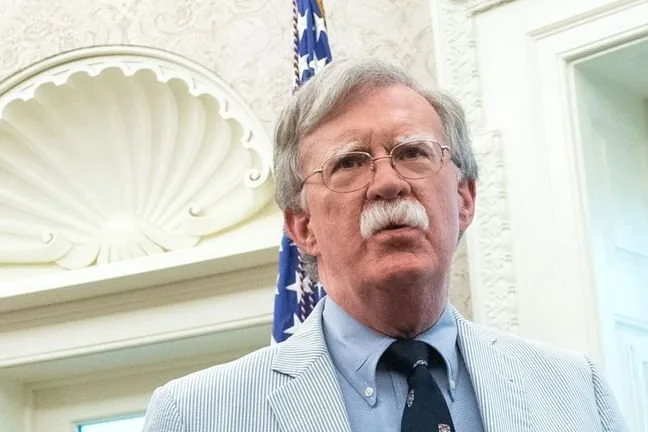
On October 16, 2025, a federal grand jury in Maryland indicted John Bolton, former national security adviser to President Donald Trump, on charges related to the mishandling of classified documents. The indictment accuses Bolton of eight counts of unlawful transmission and ten counts of unlawful retention of national defense information, raising serious questions about the handling of sensitive government materials.
Allegations Against Bolton
Prosecutors claim Bolton used a personal email account and messaging application to send at least eight classified documents to unauthorized individuals, identified as his wife and daughter. These documents, ranging from Secret to Top Secret, allegedly contained critical information, including details about a potential attack by an adversarial group, missile launch plans of a foreign adversary, and covert U.S. government actions. Seven of these transmissions reportedly occurred during Bolton’s tenure as national security adviser in 2018 and 2019, with one additional document sent shortly after his dismissal in September 2019.
The indictment further alleges that Bolton retained over a thousand pages of classified information in “diary-like entries” at his Maryland home, stored both as paper files and on personal devices. Some of these documents were classified at the Top Secret and Sensitive Compartmented Information levels. In August 2025, FBI agents searched Bolton’s home and Washington, D.C., office, seizing ten documents that contained similar sensitive information.
A significant point in the case is a 2021 cyberattack, allegedly by an Iran-associated hacker, on Bolton’s personal email account. Prosecutors say this breach exposed classified information Bolton had shared with his relatives. When Bolton reported the hack to authorities during the Biden administration, he allegedly failed to disclose that the emails contained sensitive national security information.
Bolton’s Defense
Bolton, a seasoned figure in U.S. foreign policy, has strongly denied the allegations. In a statement, he called the indictment part of “Donald Trump’s retribution” against him, referencing his 2020 memoir, The Room Where It Happened, which detailed his time in the Trump administration. Bolton insists that the book was thoroughly reviewed and cleared by government officials and contains no classified information. He also claims the FBI was fully aware of the 2021 email hack.
Bolton’s attorney, Abbe Lowell, echoed this defense, stating that the charges stem from Bolton’s personal diaries, which were unclassified and shared only with immediate family. Lowell emphasized that the FBI knew about these records as early as 2021 and that the matter was previously investigated and resolved. “We look forward to proving once again that Amb. Bolton did not unlawfully share or store any information,” Lowell said.
Bolton framed the indictment as part of a broader effort by Trump to silence critics, stating, “Dissent and disagreement are foundational to America’s constitutional system, and vitally important to our freedom.”
Context and Comparisons
The indictment follows similar legal actions against other high-profile figures, including former FBI Director James Comey, charged with lying to Congress, and New York Attorney General Letitia James, accused of mortgage fraud. Critics argue these cases reflect a pattern of targeting Trump’s political adversaries. Unlike the Comey and James investigations, which are led by a Trump-appointed U.S. attorney in Virginia, Bolton’s case is being handled by the U.S. attorney’s office in Maryland.
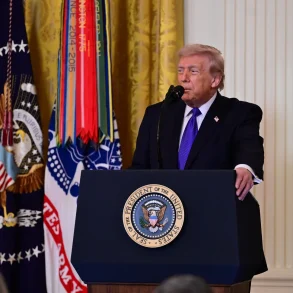
The charges against Bolton also draw parallels to Trump’s own legal battles. In June 2023, Trump faced 40 criminal counts for mishandling classified materials after leaving office, though the case was dropped following his reelection in November 2024, citing a Justice Department policy against prosecuting a sitting president. Trump has publicly criticized Bolton, calling him a “sleazebag” and suggesting in a 2022 interview that Bolton should face jail time for publishing classified information during his presidency.
Broader Implications
Attorney General Pamela Bondi, in announcing the indictment, emphasized accountability, stating, “Anyone who abuses a position of power and jeopardizes our national security will be held accountable. No one is above the law.” However, the case has sparked debate about political motivations, particularly given Bolton’s vocal criticism of Trump and the timing of the indictment.
As the legal proceedings unfold, Bolton has vowed to fight the charges, framing the case as an attack on free speech and a test of the justice system’s impartiality. The outcome could have significant implications for how classified information is handled by government officials and the extent to which political rivalries influence legal accountability.