
On June 24, 2025, the House of Representatives decisively voted to block a resolution to impeach President Donald Trump, proposed by Rep. Al Green (D-Texas), over his unauthorized military strikes on Iranian nuclear facilities. The bipartisan vote, ending 344–79, revealed deep divisions within the Democratic Party and highlighted the political risks of pursuing impeachment.
The Vote and Its Context
The resolution, introduced by Green, accused Trump of violating the Constitution by ordering strikes on Iran without congressional approval, arguing that such actions amounted to a “de facto declaration of war.” Green, a vocal critic of Trump, stated, “I did not come to Congress to be a bystander while a president abuses power and devolves American democracy into authoritarianism.” Despite his passionate plea, the measure was tabled—a procedural move to avoid a direct vote on impeachment—supported by 128 Democrats and all 216 Republicans.
Only 79 Democrats, mostly progressives like Rep. Alexandria Ocasio-Cortez (D-N.Y.), backed Green’s effort to force an impeachment vote. Ocasio-Cortez had publicly called for Trump’s impeachment, citing the strikes as a dangerous overreach. However, the majority of Democrats, including party leaders like House Minority Leader Hakeem Jeffries (D-N.Y.), House Minority Whip Katherine Clark (D-Mass.), and House Democratic Caucus Chairman Pete Aguilar (D-Calif.), sided with Republicans to halt the resolution.
Democratic Frustrations and Strategic Concerns
The vote exposed tensions within the Democratic caucus. Many Democrats criticized Green’s move as “premature” and “unhelpful,” arguing it forced them into a politically fraught position. One anonymous House Democrat called it “a completely unserious and selfish move,” while another noted widespread frustration, even among leadership. Jeffries, avoiding direct endorsement of impeachment, emphasized the need for the Trump administration to justify its actions before Congress, stating, “This is a dangerous moment that we’re in, and we’ve got to get through what’s in front of us.”
For many Democrats, the vote pitted grassroots activists demanding impeachment against a broader, more moderate electorate wary of such efforts. Some lawmakers, like Rep. Jared Moskowitz (D-Fla.), warned that pursuing impeachment could send a weak message to adversaries like China and Russia. Others questioned the legal grounding of Green’s resolution, noting that debates over presidential war powers remain unresolved in the courts.
Trump’s Response and Political Fallout
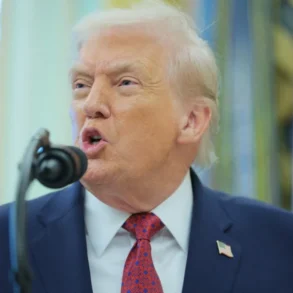
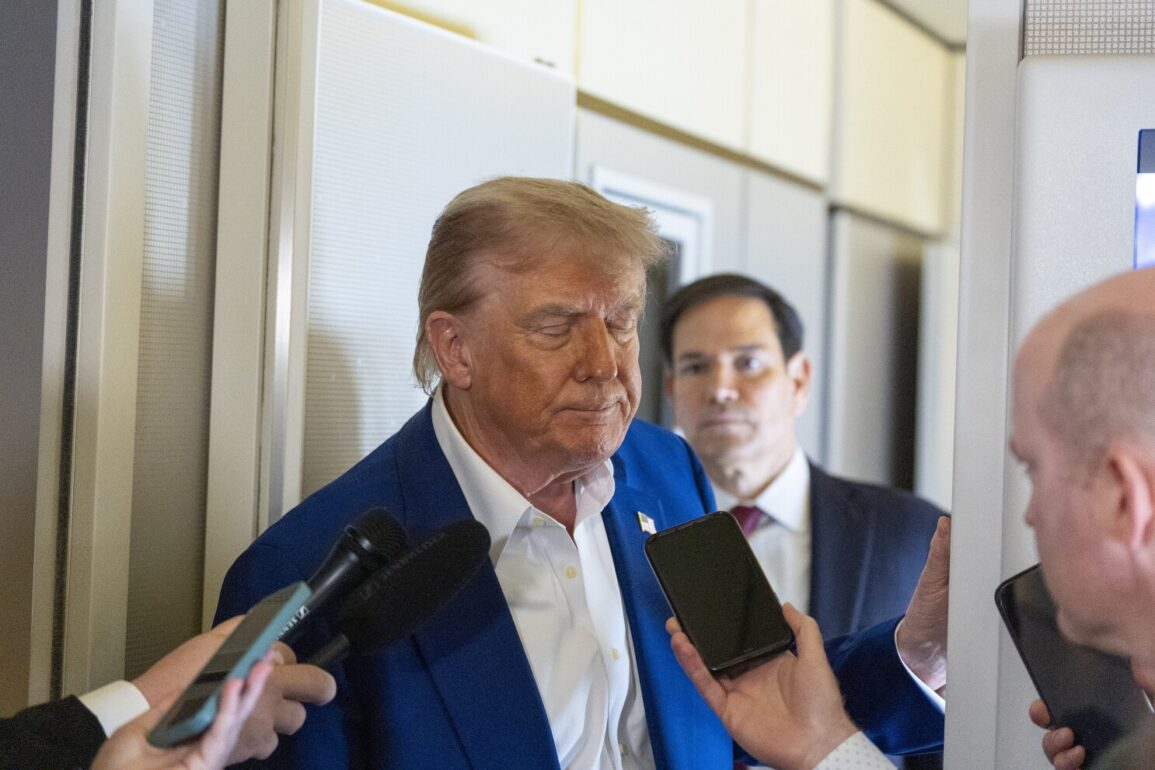
President Trump seized the opportunity to taunt his critics, posting on Truth Social, “She [Ocasio-Cortez] better start worrying about her own Primary… go ahead and try Impeaching me.” He dismissed the impeachment push as a sign of Democratic weakness, claiming their “Lowest Poll Numbers in Congressional History.” The vote’s outcome bolstered Trump’s position, underscoring the lack of unified Democratic support for impeachment and reinforcing Republican arguments that the effort was politically motivated.
Why It Matters
The failed impeachment bid reflects the challenges Democrats face in opposing Trump’s actions while maintaining party cohesion. With two prior impeachment attempts against Trump failing during his first term, many Democrats are hesitant to pursue another, especially without clear evidence or broader public support. The vote also highlights the ongoing debate over the balance of war powers between Congress and the president, a constitutional issue that remains contentious.
As Rep. Emily Randall (D-Wash.) noted, some Democrats supported Green to reflect their constituents’ calls for accountability, even knowing the measure would fail. Green himself expressed no regrets, framing his actions as a matter of conscience: “Do we really want to give this president the power to take over 300 million people to war without consulting with Congress?”
Looking Ahead
The House’s rejection of Green’s resolution does not end the controversy over Trump’s Iran strikes. Democrats continue to demand transparency from the administration, with Jeffries advocating for debates on War Powers Resolutions to reassert congressional authority. Meanwhile, the vote may embolden Trump to act unilaterally, knowing that impeachment remains a divisive and unlikely consequence.
This episode serves as a reminder of the high stakes in American politics, where decisions about war, power, and accountability can fracture even the most united parties. As the nation navigates these turbulent times, the question remains: how will Congress balance its constitutional duties with the realities of a polarized electorate?